April 17, 2026
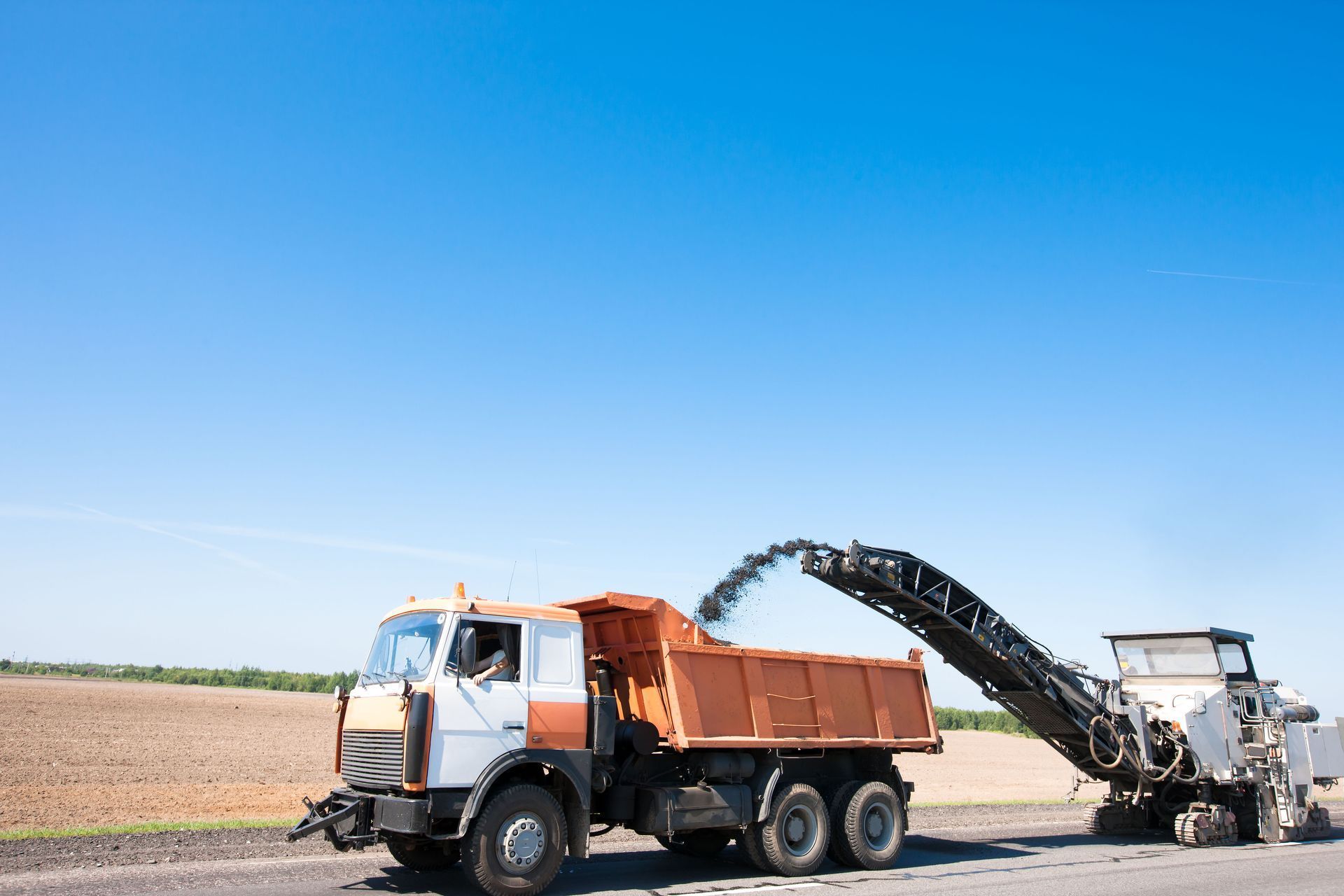
Hiring the right drivers is one of the most important decisions transportation and construction-related companies make. Materials have to move on time, equipment needs to arrive safely, and projects depend on reliable logistics to stay on schedule. For many operations, the difference between a smooth workflow and costly delays often comes down to the person behind the wheel. That is why companies consistently turn to experienced professionals who understand the demands of local hauling work. When the job involves transporting bulk materials, managing tight sites, or coordinating multiple deliveries in a day, an experienced local end dump driver becomes an essential partner in overall operations rather than just a vehicle operator.
Understanding the Responsibilities Behind End Dump Hauling
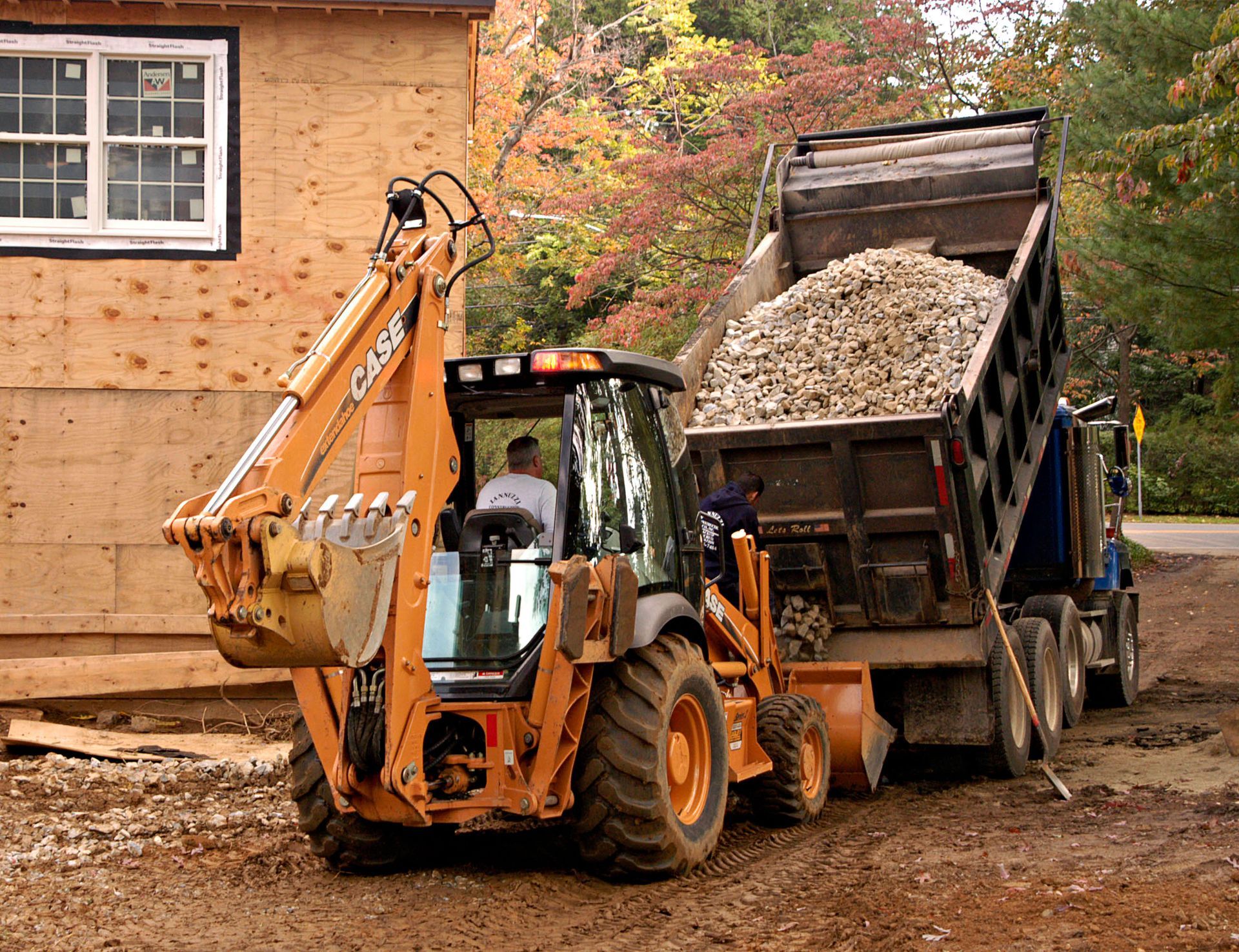
Many people outside the logistics world may assume driving is simply about steering and shifting gears, but the responsibilities involved in hauling end dump loads are far more complex. A local end dump driver must manage materials that shift, respond differently to braking, and require careful attention when raising the dump bed. These responsibilities extend beyond driving skills to include load inspection, balance awareness, weight distribution, and site communication. Companies rely on drivers who fully understand how each factor influences the safety and performance of the truck.
Experienced drivers are also trained to recognize warning signs when something is not functioning properly. From hydraulic issues to uneven terrain, small details can quickly become major risks. An operator who recognizes hazards early helps prevent accidents, equipment damage, and delays. In addition, these drivers must coordinate closely with site supervisors, loaders, and other contractors to ensure timing aligns with the broader workflow. When a company hires someone well-versed in these responsibilities, it gains more than transportation support — it gains a knowledgeable contributor capable of anticipating needs before they become problems.
Managing Safety and Reducing Operational Risk
Safety remains one of the most significant reasons companies depend on experienced drivers. A local end dump driver must consistently evaluate road conditions, weather, traffic patterns, and job site layouts. Dumping materials on uneven ground or backing into crowded construction zones requires precise judgment and steady control. Experience plays a major role in minimizing risks during these tasks. A driver who has encountered a wide range of situations develops instincts that help protect both people and property.
Companies also face legal and financial consequences when accidents occur, so they look for drivers who respect regulations and follow best practices. Knowledge of securement rules, inspection procedures, and compliance standards helps prevent violations that could result in fines or downtime. When seasoned drivers are behind the wheel, supervisors can trust that safety protocols are followed consistently rather than enforced only when someone is watching. This dependability keeps insurance costs manageable, protects company reputations, and contributes to safer communities.
Supporting Project Timelines and Operational Efficiency
In industries where schedules often change at the last minute, adaptability is essential. A local end dump driver familiar with local industries understands how to coordinate multiple stops efficiently, communicate delays, and reroute when necessary. These skills directly affect productivity. If materials arrive late, entire crews may stand idle waiting for deliveries. When pickups are missed, disposal costs can increase, or job site clutter may create hazards.
Experience also improves workflow because drivers learn the unique expectations of recurring clients and locations. They recognize how long unloading typically takes, where to position the truck for faster service, and how to streamline communication with project managers. This reduces downtime and keeps equipment and labor working at full capacity. The skill set these drivers bring is reflected across the broader trucking field as well. According to the U.S. Bureau of Labor Statistics, the median annual wage for heavy and tractor-trailer truck drivers was $57,440 in May 2024. This figure underscores how companies acknowledge the value and responsibility associated with professional driving roles.
Navigating Local Routes and Complying With Regulations
Driving locally may sound simpler than long-haul work, but it carries its own set of challenges. Urban congestion, road closures, seasonal changes, and municipal restrictions require constant awareness. A local end dump driver who knows the area can anticipate which roads are unsuitable for heavy loads, where low bridges or weight limits exist, and which times of day bring the heaviest traffic. This local knowledge shortens routes, reduces fuel waste, and prevents the truck from ending up in unsafe or illegal situations.
In addition to navigation, these drivers monitor permit requirements, bridge laws, and environmental rules. Local regulations may dictate where material can be dumped, how loads must be covered, or which hours trucks may operate. Experienced drivers understand the consequences of overlooking these details. Compliance not only avoids penalties but also strengthens relationships with municipalities and regulatory agencies. When companies contract with drivers who know the region well, they gain smoother operations and fewer administrative problems.
Protecting Valuable Assets and Equipment
Trucks, trailers, and hydraulic components represent major investments. Companies cannot afford repeated mechanical breakdowns or damage caused by improper operation. An experienced local end dump driver operates equipment with care, understanding how aggressive turning, harsh braking, or improper dumping angles strain components unnecessarily. Their familiarity with maintenance schedules and routine inspections further protects these assets.
Equipment failure disrupts more than one truck — it can delay projects, require rescheduling, and increase rental or repair costs. Drivers who detect mechanical concerns early allow maintenance teams to address problems before they escalate. This proactive approach keeps fleets in better condition over time. Companies also appreciate drivers who take pride in keeping vehicles clean, organized, and ready for the next assignment. That sense of stewardship reflects a broader professionalism that supports reliability across the entire operation.
Building Strong Client Relationships and Consistent Results
In many industries, the driver is the primary company representative a client interacts with on-site. Professional communication, punctuality, and courtesy all shape how the business is perceived. A local end dump driver who understands customer expectations can answer questions, coordinate delivery adjustments, and solve small issues without causing disruption. These qualities help build long-term trust between service providers and the businesses that depend on them.
Consistency is another benefit associated with experienced drivers. When the same professional handles recurring deliveries, clients develop confidence that materials will arrive as promised and be placed correctly. This predictability encourages repeat contracts and referrals. Companies value employees and contractors who foster loyalty through dependable service rather than forcing managers to constantly search for replacements. Over time, the driver becomes part of the extended team supporting each project’s success.
Bringing Experience, Judgment, and Reliability Together
Ultimately, companies rely on experienced local drivers because their contributions extend far beyond the steering wheel. The combination of technical skill, situational awareness, and professional judgment directly influences safety, efficiency, and profitability. A local end dump driver is entrusted with valuable materials, expensive equipment, and the responsibility of representing the company on every job site. Their decisions impact timelines, budgets, and client satisfaction.
Organizations that prioritize experience when staffing driving positions recognize that the right person in the cab can help prevent accidents, reduce operational waste, and strengthen customer relationships. Rather than viewing transportation as a simple logistical function, they see it as a critical part of overall business strategy. In this context, relying on experienced drivers is a forward-thinking decision rooted in both safety and economics. Call Tom Peace Trucking Co today to discuss your next service!