March 23, 2026
Construction and development activity continues to accelerate, with expanding roads, new neighborhoods, and large-scale industrial projects shaping communities nationwide. At the center of that momentum is the dump truck driver job, a role directly tied to long-term infrastructure growth rather than short-term trends. As cities expand and materials must be transported efficiently and safely, consistent demand creates steady opportunities for skilled drivers. This article examines what is driving that demand, which industries are fueling growth, and why the outlook remains stable for those considering this career path.
The Rise of Construction Activity Across Regions
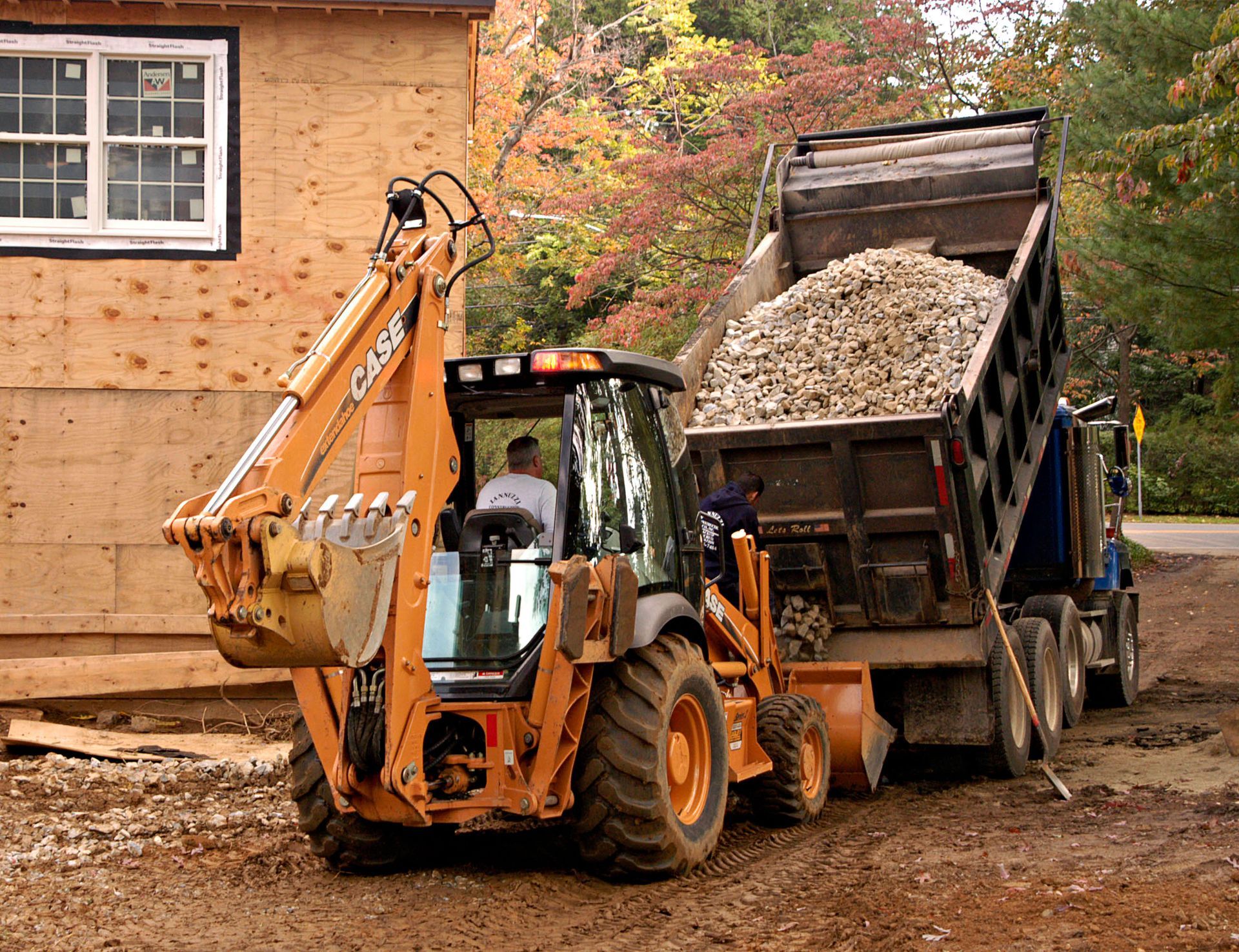
Construction continues to serve as a primary driver of transportation demand. As cities expand and suburban communities develop, contractors rely on efficient hauling of sand, gravel, soil, asphalt, and demolition debris. None of these materials move without experienced operators behind the wheel.
Residential growth has accelerated in many regions, particularly in expanding suburban areas. New subdivisions and multi-family housing projects require constant material delivery and removal. Each phase of development reinforces the importance of the dump truck driver job within the broader construction ecosystem.
Even when large-scale development slows, maintenance, renovation, and repair projects continue. This creates a baseline level of demand that supports job stability for drivers who maintain strong safety records and reliability. In many ways, construction operates in cycles, but those cycles rarely stop entirely. As long as communities continue to grow and modernize, hauling remains a necessity rather than a luxury.
In addition, regional migration trends have intensified development in certain states and metropolitan areas. Population shifts increase pressure on housing, schools, utilities, and transportation networks. Every one of those projects depends on material transport, reinforcing the stability of the dump truck driver job across expanding markets.
The Expansion of Infrastructure Investment Nationwide
Infrastructure investment remains a national priority. Roads, bridges, transit systems, and public utilities require both upgrades and long-term maintenance. These projects depend heavily on coordinated material transport to remain on schedule and within budget.
Without reliable hauling services, infrastructure work cannot progress efficiently. Contractors depend on skilled professionals who can navigate job sites, follow strict safety protocols, and deliver materials on time. That reliability directly strengthens the value of the dump truck driver job in both public and private sectors.
According to Zippia, the projected dump truck driver job growth rate is 4% from 2018-2028. While that figure reflects steady rather than explosive growth, it signals dependable long-term demand rooted in ongoing infrastructure needs.
Beyond new construction, infrastructure rehabilitation plays a major role in sustaining demand. Aging highways require resurfacing. Bridges need structural reinforcement. Stormwater systems must be expanded to handle changing weather patterns. Each of these efforts involves heavy material transport. The consistency of maintenance projects ensures that opportunities extend well beyond one-time builds.
Public funding packages and state-level transportation initiatives often span multiple fiscal years. This long-term funding structure allows contractors to forecast labor needs more accurately. As a result, the dump truck driver job benefits from improved predictability compared to more volatile industries.
The Growth of Residential and Commercial Development
Beyond public works, private development continues to expand across markets. Commercial buildings, healthcare facilities, warehouses, and retail centers all require site preparation and material transport. Before construction even begins, land must be cleared and graded, often requiring multiple hauling cycles.
Residential construction follows a similar pattern. From foundation preparation to final landscaping, materials are constantly delivered and removed. This continuous movement sustains demand for drivers who can coordinate effectively with construction teams.
The diversification across both commercial and residential sectors reduces reliance on a single market segment. That diversification helps protect the stability of the dump truck driver job even when one area of construction temporarily slows.
E-commerce expansion has also influenced commercial real estate growth. Distribution centers and logistics hubs require significant site development and ongoing material movement. As consumer behavior continues to favor rapid delivery, infrastructure supporting warehouses and fulfillment centers expands accordingly. Each new facility creates additional hauling demand.
Mixed-use developments further illustrate how interconnected growth supports transportation roles. When residential units, retail space, and office buildings are developed together, construction timelines often overlap. This overlap requires steady coordination and reliable drivers who can adapt to changing schedules and site requirements.
The Surge in Mining and Raw Material Production
Mining and material extraction continue to drive strong hauling demand. Aggregates, minerals, and other raw materials must be transported from extraction sites to processing facilities, placing dump trucks at the center of operations. Efficiency in these environments directly impacts profitability, making skilled operators essential under challenging conditions.
Mining roles often offer competitive pay and steady contracts, particularly for drivers who prioritize safety and compliance. Stricter environmental regulations have also increased demand for trained professionals who understand proper load handling and site standards. As renewable energy projects expand and require large volumes of raw materials, hauling services remain critical to long-term industry growth.
The Influence of Technology on Modern Operations
Technology has transformed dump truck operations without replacing the need for skilled drivers. Modern trucks feature advanced safety systems, telematics, fuel monitoring, and route optimization tools that improve efficiency and accountability. Drivers who understand data systems and diagnostics strengthen their professional value as skill expectations rise.
Fleet management platforms now track performance in real time, rewarding operators who maintain strong safety and efficiency standards. Innovations such as collision mitigation, improved braking, and enhanced visibility also reduce downtime and accidents. While automation is often discussed, complex construction environments still rely on human judgment, coordination, and real-time decision-making.
The Stability of Skilled Trade Careers
There is growing recognition that skilled trades provide stable and meaningful career paths. Not every professional seeks an office-based role, and many value hands-on responsibility with measurable outcomes. The dump truck driver job offers that clarity.
In many regions, employers report difficulty finding qualified operators with proper licensing and clean driving records. This shortage supports competitive compensation and continued demand. For individuals entering the workforce or seeking a career shift, transportation presents a practical alternative to extended academic pathways.
Compensation structures often include overtime opportunities, performance incentives, and benefits packages tied to union or contractor agreements. For many drivers, this structure provides a dependable income stream capable of supporting long-term financial planning.
Additionally, the work offers tangible results. Drivers can see the progress of projects they contribute to, whether it is a completed roadway, a new housing development, or an operational commercial facility. That visible impact adds a level of satisfaction that is not always present in other professions.
Training and certification requirements are straightforward compared to many professions. With the proper commercial driver’s license and experience, individuals can establish long-term careers grounded in tangible work. Mentorship programs and on-the-job training further support skill development, strengthening workforce sustainability.
The Long-Term Outlook With Consistent Demand
When evaluating long-term viability, the central question is whether the role remains essential. Infrastructure must be maintained, housing must be built, and materials must be transported. Those realities do not disappear with economic cycles.
The steady growth projection reinforces a predictable trajectory rather than a temporary spike. As development continues across urban and rural areas, the need for professional hauling remains embedded in the process. The dump truck driver job remains directly connected to economic fundamentals rather than short-term trends.
Regional growth patterns suggest that demand may vary by location, but the broader outlook remains stable. Expanding metropolitan areas and resource-rich regions often experience stronger hiring activity, providing mobility options for drivers willing to relocate or travel.
Ultimately, the profession reflects reliability. It is grounded in essential services, supported by infrastructure investment, and reinforced by ongoing development. For individuals seeking a career aligned with practical demand and long-term opportunity, the dump truck driver job offers a clear and sustainable path forward. If you are ready to pursue a stable and growing career path, contact Tom Peace Trucking Co today.