April 20, 2026
The construction industry continues to expand as infrastructure development, population growth, and modernization efforts drive new projects across multiple sectors. Gravel remains a foundational material in this growth, supporting everything from road construction to site preparation. As demand for construction materials rises, so does the need for efficient gravel hauling. This increased demand places greater emphasis on transportation logistics, cost management, and operational efficiency within the hauling sector.
1. Key Construction Trends
Expanding Urban Development
Urban development continues to accelerate as cities expand to support growing populations and evolving economic activity. The need for residential, commercial, and industrial construction has led to a steady increase in material demand. Gravel plays a critical role in these projects, making dependable transportation essential for keeping development timelines on track. As urban areas continue to grow, efficient hauling becomes increasingly important in maintaining consistent material flow.
Supporting Infrastructure Projects
Infrastructure projects remain a major driver of construction activity, with ongoing investments in roads, bridges, and transportation systems. These projects require substantial volumes of aggregate materials, including gravel, to support structural integrity and long-term performance. Dependable hauling ensures that materials are delivered where and when they are needed, helping maintain progress and avoid costly delays. According to Future Market Insights, the demand for road aggregates in U.S. is valued at USD 164.9 billion in 2025 and is projected to reach USD 287.1 billion by 2035, reflecting a compound annual growth rate of 5.7%.
Driving Residential Construction
Residential construction has expanded alongside population growth and housing demand. New developments, subdivisions, and housing projects rely heavily on materials like gravel for foundations, drainage systems, and site preparation. Consistent delivery of these materials is essential for maintaining construction schedules and meeting project requirements. As residential development continues, the role of gravel hauling becomes increasingly important in supporting steady material supply.
Advancing Construction Technology
Advancements in construction methods have improved efficiency and project management, but core materials like gravel remain essential. Modern building techniques still depend on consistent access to aggregates for foundational and structural applications. As construction practices evolve, hauling operations must also adapt by improving coordination, optimizing delivery schedules, and maintaining responsible transportation processes. These improvements help ensure materials arrive on time and in the quantities required.
Addressing Environmental Considerations
Environmental considerations continue to influence construction practices, including how materials are transported. Efficient hauling operations can help reduce unnecessary fuel consumption and improve overall logistics performance. Careful planning, proper load management, and optimized routing all contribute to more efficient transportation. As sustainability becomes a larger focus within construction, responsible gravel hauling plays an important role in supporting broader industry goals.
2. Core Gravel Applications
Understanding Gravel Composition
Gravel is a widely used construction material composed of natural aggregates valued for durability and drainage capabilities. It is commonly used in foundational layers, road construction, and site preparation. Its versatility makes it a dependable choice across a wide range of construction applications. Maintaining a consistent supply of gravel is essential for keeping projects moving forward efficiently.
Building Strong Roadways
Road construction relies heavily on gravel to create stable and durable surfaces. It is used in base layers to support traffic loads and improve overall road longevity. As infrastructure projects expand, the demand for aggregate materials continues to grow. Efficient gravel hauling ensures that road construction projects receive the materials they need without disruption, supporting steady progress and long-term performance.
Strengthening Foundations and Concrete
Gravel plays a critical role in establishing strong foundations and supporting structural stability. It is used in base layers and as a component in concrete, contributing to the strength and durability of buildings and other structures. Dependable delivery of gravel ensures that foundational work can proceed without delays. This consistency is essential for maintaining construction timelines and meeting project specifications.
3. Key Hauling Logistics
Managing Transportation Efficiency
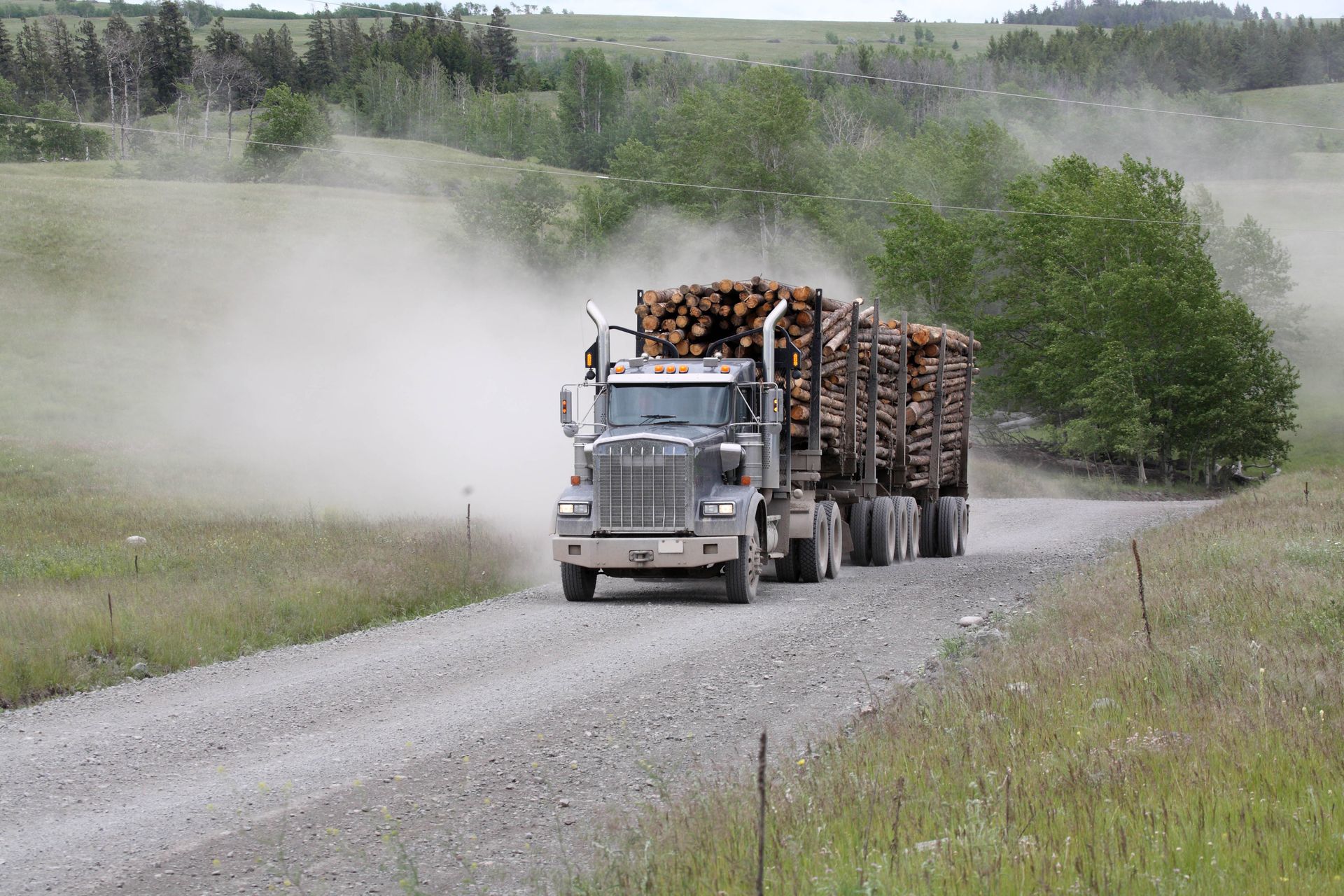
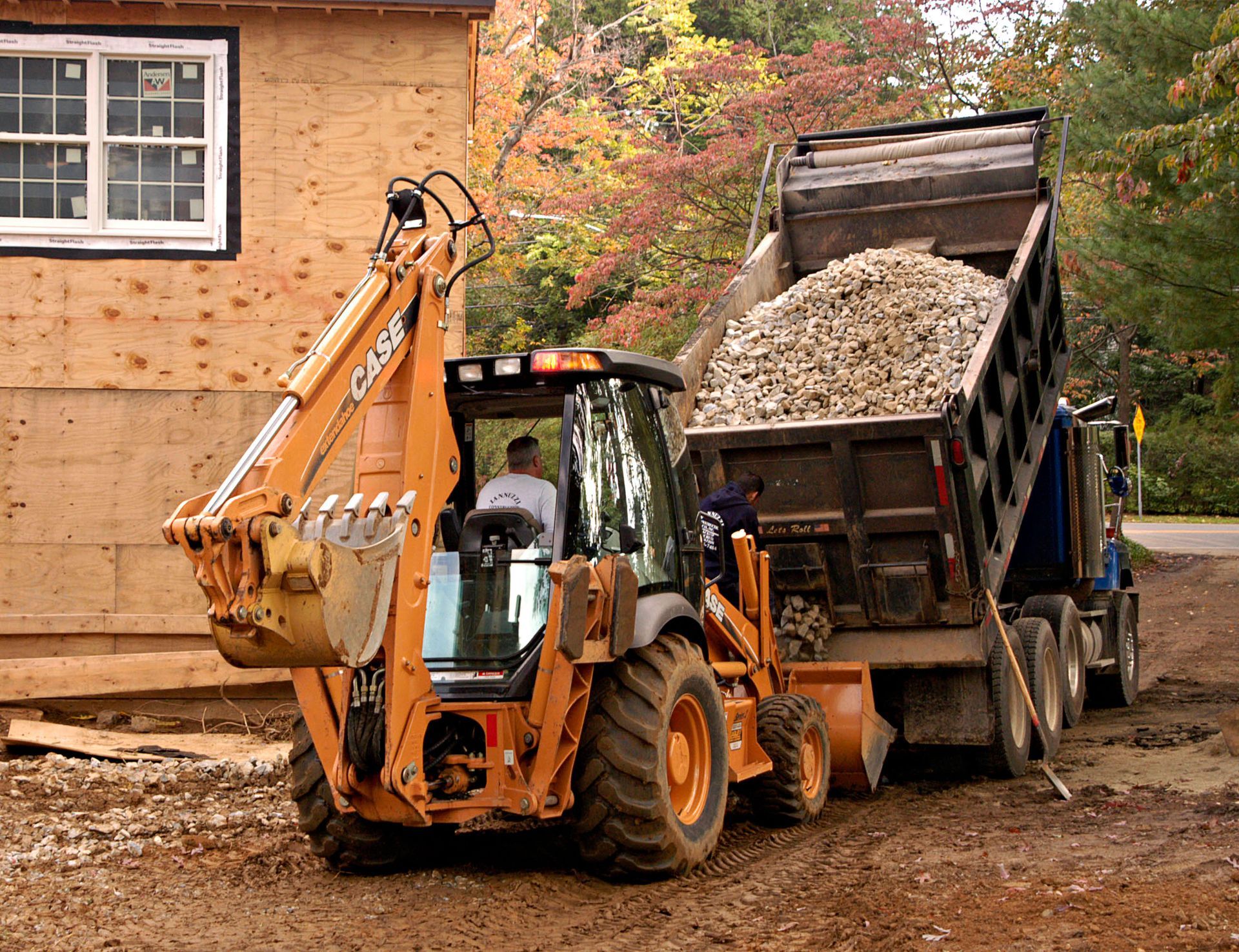
Efficient gravel transportation is essential for maintaining steady construction workflows. Trucking remains the primary method for hauling gravel, offering flexibility for local, regional, and long-distance deliveries. Specialized equipment such as dump trucks and end dump trailers allows for efficient loading and unloading at job sites. These capabilities help ensure that materials are delivered safely and on schedule, supporting overall gravel hauling performance.
Evaluating Cost Factors
The cost of hauling materials is an important consideration in construction project planning. Factors such as distance, fuel usage, labor, and equipment maintenance all contribute to overall costs. Efficient route planning and load optimization can help manage these expenses while maintaining dependable delivery schedules. Balancing cost and efficiency is essential for supporting successful project outcomes.
Overcoming Hauling Challenges
Hauling operations face a variety of challenges that can impact delivery timelines. Traffic conditions, weather, and equipment maintenance all play a role in overall efficiency. Additionally, coordinating schedules across multiple job sites requires careful planning and communication. Addressing these challenges effectively helps maintain consistent service and supports ongoing gravel hauling operations.
4. Economic Industry Impacts
Managing Construction Budgets
Increased demand for gravel can influence overall construction budgets, particularly when material and transportation costs fluctuate. Careful planning and coordination help ensure that materials are delivered efficiently without exceeding budget constraints. Maintaining a steady supply of aggregates supports project timelines and helps prevent costly delays.
Creating Industry Jobs
The growing demand for hauling services supports job creation within the transportation sector. Drivers, dispatchers, and logistics personnel all play a role in maintaining efficient operations. As construction activity increases, the need for experienced professionals continues to grow, contributing to workforce stability and industry expansion.
Shaping Market Competition
The hauling industry continues to evolve as companies work to improve efficiency and meet increasing demand. Operational improvements, equipment capabilities, and effective coordination all contribute to maintaining a competitive position. Adapting to changing industry conditions helps ensure consistent service and long-term stability.
5. Environmental and Regulatory Factors
Reducing Environmental Impact
Transporting gravel requires attention to environmental factors, particularly fuel usage and emissions. Efficient hauling practices, including route optimization and proper load distribution, can help reduce environmental impact. These approaches support responsible transportation while maintaining dependable service.
Following Hauling Regulations
Hauling operations must comply with regulations related to transportation, safety, and load requirements. Adhering to these standards helps ensure safe and efficient operations across all stages of delivery. Understanding and following applicable regulations is essential for maintaining consistent service and avoiding disruptions.
Improving Sustainable Practices
Sustainable hauling practices focus on improving efficiency and reducing unnecessary resource use. Maintaining equipment, optimizing routes, and maximizing load capacity all contribute to more efficient operations. These strategies support both operational performance and environmental considerations within the transportation process.
6. Emerging Industry Trends
Projecting Construction Growth
Construction activity is expected to continue growing as infrastructure and development projects expand. This growth will drive ongoing demand for gravel and other aggregate materials. Efficient gravel hauling will remain essential in supporting these projects and maintaining steady progress.
Enhancing Hauling Technology
The hauling sector continues to benefit from technological advancements that improve efficiency and coordination. Innovations in fleet management, routing, and scheduling help streamline operations and reduce delays. These improvements support more dependable material transportation across a range of projects.
Adapting to Regulatory Changes
Regulatory requirements may evolve over time, influencing how hauling operations are conducted. Staying informed and adaptable helps ensure continued compliance and operational efficiency. Proactive planning supports smooth transitions as industry standards change.
The connection between rising construction activity and gravel hauling demand underscores the need for efficient, well-coordinated transportation. As projects grow in scale and complexity, having dependable hauling solutions in place helps keep materials moving and timelines on track. Tom Peace Trucking Co supports these efforts by delivering consistent transportation services tailored to construction and infrastructure needs. To learn more about how our capabilities can support your next project, explore our services and see how we help keep operations running smoothly.