October 26, 2026
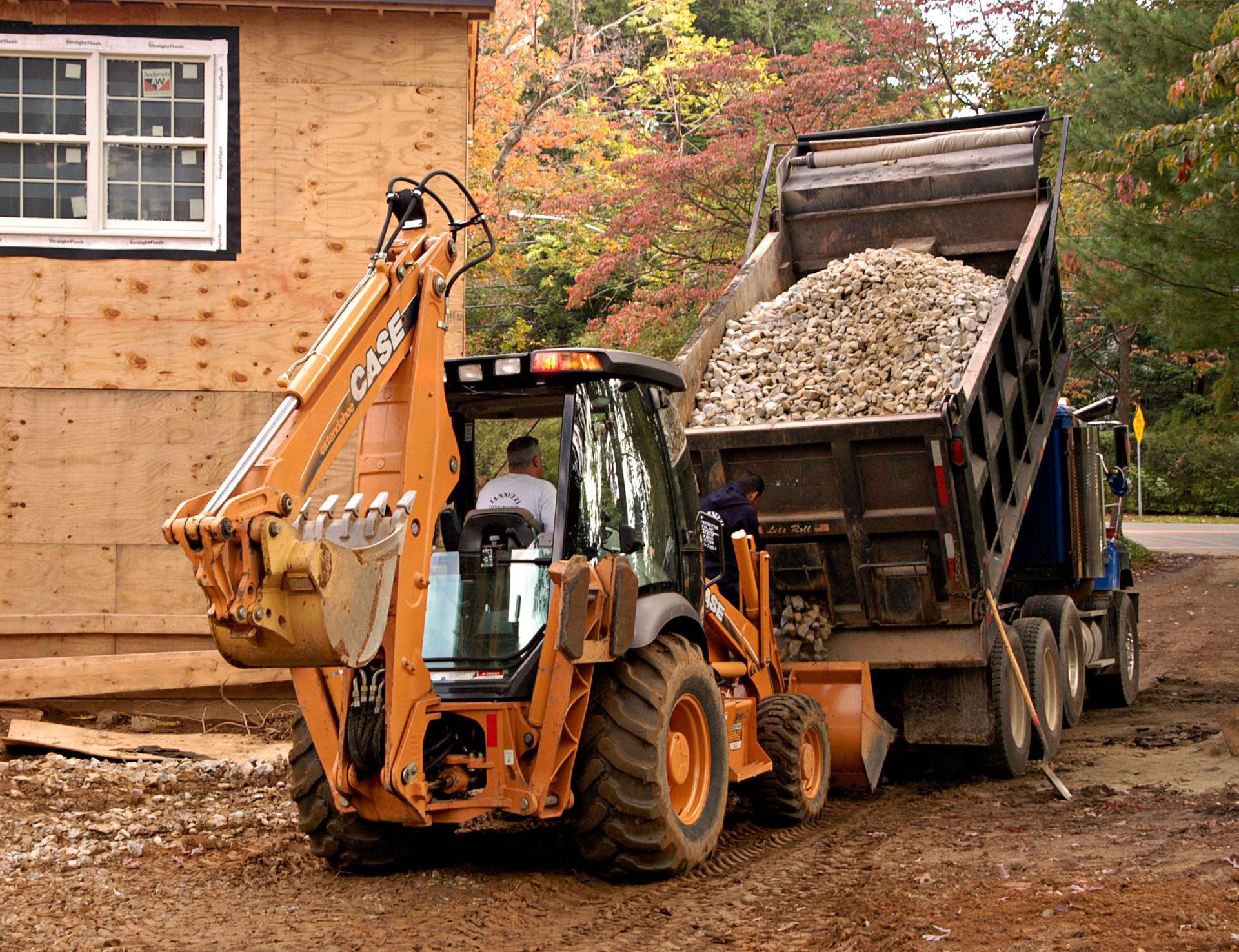
Working in the trucking industry requires more than knowing how to operate a large vehicle. Drivers must demonstrate strong safety awareness, sound judgment, effective communication, and the ability to adapt to changing job site conditions. For individuals exploring dump truck driver jobs, developing these essential skills can create opportunities to build a rewarding career in transportation and construction. Dump truck drivers play an important role in moving materials such as gravel, sand, soil, asphalt, and construction debris to locations where they are needed. Their work supports road construction, residential development, commercial building projects, and other activities that keep communities growing. Because these responsibilities often involve heavy loads, uneven terrain, and busy work environments, employers value drivers who take their duties seriously. Tom Peace Trucking Co understands the importance of dependable transportation and professional driving practices. Learning which skills matter most can help aspiring drivers prepare for the demands of the industry and understand what it takes to succeed behind the wheel.
Developing Strong Vehicle Operation Skills
Operating a dump truck requires a solid understanding of vehicle controls, handling characteristics, and safe driving techniques. These vehicles are larger and heavier than passenger cars, making it important to understand turning distances, stopping distances, and blind spots. People pursuing dump truck driver jobs should become comfortable maneuvering large vehicles in confined areas and around active construction sites. Drivers must also understand how a loaded truck behaves differently from an empty one. Changes in weight distribution can affect acceleration, braking, and stability, especially when traveling over uneven ground. Practicing proper techniques under qualified supervision helps drivers build confidence while maintaining safe operating habits. Familiarity with vehicle controls also allows drivers to respond more effectively when conditions change unexpectedly. Strong operating skills provide the foundation for handling daily transportation responsibilities safely and efficiently.
Maintaining Consistent Safety Awareness
Safety must remain a priority throughout every stage of a dump truck driver's workday. Drivers frequently share roads and job sites with construction equipment, pedestrians, other commercial vehicles, and workers performing specialized tasks. Anyone considering dump truck driver jobs should understand the importance of following traffic laws, wearing required protective equipment, and complying with site-specific safety procedures. Before moving a vehicle, drivers should check their surroundings and confirm that the intended path is clear. Maintaining a safe following distance and adjusting speed to road conditions can help reduce collision risks. Drivers must also remain alert to changing weather, poor visibility, and unstable surfaces. Regular safety checks and consistent attention to procedures help prevent avoidable incidents. A safety-focused approach protects the driver, coworkers, other road users, and the materials being transported.
Understanding Vehicle Inspections and Basic Maintenance
Dump trucks operate under demanding conditions that can place considerable strain on tires, brakes, hydraulic systems, and other components. Drivers need to recognize the importance of routine inspections before and after their shifts. For those entering dump truck driver jobs, understanding basic maintenance procedures can help identify potential mechanical problems before they become more serious. Inspections may include checking tire condition, lights, mirrors, fluid levels, visible leaks, and other items required by company procedures. Drivers should also pay attention to unusual sounds, warning indicators, and changes in vehicle performance. Identifying a problem does not mean every driver must repair it independently, but they should know when to report an issue and take the vehicle out of service. Accurate inspection records can help maintenance personnel diagnose problems and schedule necessary repairs. This attention to equipment condition supports reliable operations and helps reduce unexpected downtime.
Demonstrating Strong Communication Skills
Dump truck drivers regularly communicate with dispatchers, construction supervisors, equipment operators, loading crews, and delivery personnel. Clear communication helps ensure that materials reach the correct destinations and that loading and unloading activities occur safely. Applicants exploring dump truck driver jobs can benefit from developing professional communication habits that make coordination easier. Drivers should be able to confirm delivery instructions, ask questions when directions are unclear, and report delays or changing conditions promptly. At construction sites, misunderstandings about vehicle positioning or unloading procedures can create unnecessary hazards. Listening carefully is just as important as providing accurate information. Radio communication, mobile devices used according to safety policies, and written delivery records may all contribute to effective coordination. Strong communication skills help maintain productive working relationships and keep transportation activities organized.
Managing Time and Following Delivery Schedules
Reliable transportation depends on delivering materials when and where they are needed. Construction projects often follow schedules that coordinate multiple crews, machines, and deliveries, so delays can affect other tasks. Individuals interested in dump truck driver jobs should learn how to organize their workday while allowing enough time for inspections, loading, travel, and unloading. Good time management involves more than driving quickly or attempting to meet unrealistic deadlines. Drivers must account for traffic congestion, road restrictions, weather conditions, and unexpected changes at the job site. Communicating potential delays early gives dispatchers and supervisors more time to adjust plans. Following established routes and delivery instructions can also reduce confusion and unnecessary travel. By balancing punctuality with safe driving practices, drivers can contribute to dependable transportation and smoother project operations.
Applying Spatial Awareness and Maneuvering Skills
Dump trucks frequently need to navigate narrow access roads, crowded construction sites, uneven ground, and areas with limited visibility. Drivers must judge distances carefully and understand the space required to turn, reverse, and position their vehicles. Developing these abilities is particularly valuable for people seeking dump truck driver jobs because many deliveries involve locations that were not designed for ordinary road traffic. Mirrors and approved camera systems can assist with visibility, but drivers should never rely on technology alone when maneuvering in hazardous areas. Using a spotter when required and following established backing procedures can help reduce the risk of striking equipment, structures, or people. Drivers should also understand how road edges, slopes, and soft surfaces can affect vehicle stability. Careful positioning is especially important before unloading materials. Strong spatial awareness helps drivers work confidently while protecting nearby workers and property.
Understanding Load Distribution and Material Handling
Transporting heavy materials requires an understanding of load limits, proper distribution, and safe unloading procedures. An improperly distributed load can affect vehicle balance, handling, and braking performance. People pursuing dump truck driver jobs should learn how to follow loading instructions and verify that cargo is secured or contained according to applicable requirements. Drivers must also be familiar with the materials they carry because gravel, soil, sand, asphalt, and debris can behave differently during transport. Loads should remain within the vehicle's legal and manufacturer-specified limits. Before unloading, drivers need to confirm that the designated area is suitable and that overhead obstacles, unstable ground, and nearby workers do not create unacceptable hazards. Raising a dump body on uneven surfaces or beneath overhead power lines can create serious risks. Understanding these responsibilities helps drivers transport materials efficiently while maintaining safe operating conditions.
Adapting to Changing Weather and Road Conditions
Weather and road conditions can change rapidly, particularly on construction sites and rural routes. Rain may create slippery surfaces, while snow, ice, dust, or fog can reduce traction and visibility. Drivers interested in dump truck driver jobs must learn to recognize these hazards and adjust their driving decisions accordingly. Reducing speed, increasing following distance, and allowing additional stopping time can help manage difficult conditions. Drivers should also understand that loose gravel, mud, steep grades, and soft shoulders may affect vehicle stability. When conditions become unsafe, stopping in a suitable location and contacting dispatch may be more appropriate than continuing the trip. Flexibility is equally important when construction schedules change or access routes become unavailable. Drivers who assess conditions carefully can make better decisions that prioritize safety over unnecessary urgency.
Drivers must also remain adaptable when faced with changing weather, difficult job site conditions, or unexpected schedule adjustments. For those exploring dump truck driver jobs, understanding these expectations is an important step toward preparing for employment in the trucking industry. Meeting applicable licensing requirements and seeking appropriate training can further strengthen a candidate's readiness for the role. Tom Peace Trucking Co recognizes the value of dependable transportation and responsible driving practices in supporting construction and material delivery operations. Contact us to learn more about the company's trucking services and explore how professional transportation supports construction and development projects.