November 20, 2025
Rock hauling is an integral part of large construction and infrastructure projects. It involves the transportation of rock and other materials to facilitate the building process. Efficient rock hauling ensures that project timelines are adhered to, minimizing delays and disruptions. As demand for infrastructure development increases, the role of rock hauling becomes even more pivotal in maintaining the momentum of large-scale projects. Effective hauling processes not only support the timely completion of projects but also significantly contribute to cost management and safety standards.
Efficient Material Transportation
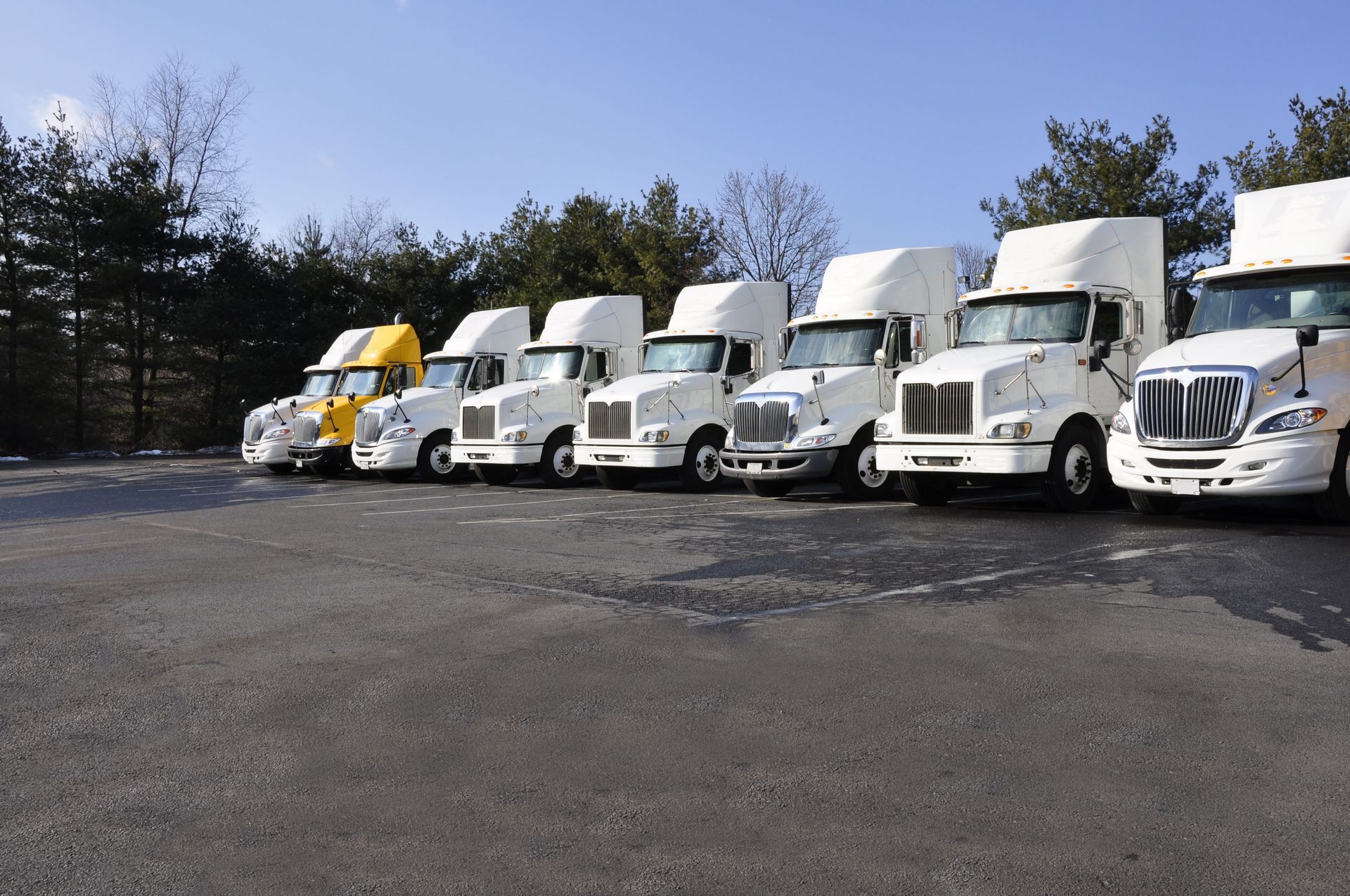
In the realm of construction, reliable fleet operations play a crucial role in material transportation. A dependable fleet ensures that rock and other necessary materials are delivered on time to support continuous project workflows. Properly maintained vehicles are less likely to break down, reducing the likelihood of delays. Fleet reliability also involves having a sufficient number of trucks and drivers available to meet the demands of construction schedules. According to Geotab, there are 13 million large trucks in the United States, making up 5% of all registered vehicles, underscoring the importance of dependable operations in this sector.
Expert route planning is another key factor in ensuring efficient rock hauling. It involves strategizing the most effective paths for transport, taking into account factors such as traffic patterns, road conditions, and construction zones. Proper route planning minimizes travel time and fuel consumption, leading to enhanced time and cost efficiency. This process requires collaboration with logistics experts who can dynamically adjust routes in response to real-time conditions. Route optimization consequently plays a critical role in meeting project deadlines and reducing environmental impact.
Effective fleet maintenance and management are essential for sustaining fleet operations. Regular maintenance schedules ensure that vehicles are in optimal condition, reducing the risk of unexpected breakdowns. Proactive management also involves tracking the performance of each vehicle and driver to identify areas for improvement. Fuel efficiency and vehicle longevity can be enhanced through rigorous fleet management practices. Companies that prioritize maintenance can prevent costly repairs and ensure the reliability of their hauling operations.
Coordination with on-site operations ensures that rock hauling aligns with the broader objectives of a construction project. Seamless communication between haulers and site managers enables better synchronization of delivery schedules. When all parties are aligned, materials arrive precisely when they are needed, preventing backlog and idle time. This collaborative approach maximizes productivity and minimizes waste in both time and materials. By integrating hauling operations with on-site tasks, projects can run more smoothly and without unnecessary interruptions.
Minimizing Delays
To minimize delays in rock hauling, proactive maintenance schedules are vital. Scheduled maintenance routines help identify potential issues before they escalate into major problems. By forecasting maintenance needs and addressing them promptly, companies can avoid unexpected vehicle failures. This anticipatory approach ensures that the hauling fleet remains operational and efficient, preventing project schedule disruptions. Through proactive maintenance, the risk of costly and time-consuming delays is significantly reduced.
Weather adaptability is crucial for maintaining schedule adherence in rock hauling. Construction projects often face the unpredictability of weather conditions, which can affect transportation routes and vehicle performance. Developing strategies for weather adaptation helps haulers stay on track despite adverse conditions. These strategies may include utilizing weather forecast data to plan routes or adjusting schedules based on real-time weather updates. Being prepared with contingencies helps keep projects on schedule, even in the face of inclement weather.
Having backup equipment solutions is another critical component of avoiding delays in rock hauling. When primary equipment fails, having backup options can prevent stagnation in material transport. Backup equipment solutions might involve rented vehicles or standby machinery ready to be deployed. This ensures the continuity and reliability of hauling operations. Investing in backup solutions is an effective strategy for safeguarding against unexpected equipment failures that could impede project progress.
The availability of skilled labor is integral to ensuring quick recovery from delays. Trained and experienced personnel can address problems efficiently, reducing the impact of interruptions. By investing in labor training programs, companies can build a workforce capable of handling diverse challenges. Skilled workers are adept at optimizing resources and maintaining safe working environments, contributing to the overall efficiency of hauling. Having enough skilled workers available ensures that operations proceed smoothly, even when unexpected issues arise.
Safety Standards and Training
Implementing rigorous safety protocols is vital in rock hauling operations. Establishing procedures for various scenarios, from basic driver conduct to emergency responses, ensures preparedness. Safety protocols also involve regular checks and maintenance of safety equipment and vehicles. Comprehensive guidelines help protect workers and minimize the risk of accidents or injuries. A focus on safety fosters a culture where all employees are aware of procedures and the importance of maintaining safe practices.
Continuous training programs for employees in rock hauling are essential for maintaining safety and efficiency. Regular training sessions ensure that staff are updated on the latest best practices, technology, and safety regulations. Continuous training enhances the skill set, enabling workers to handle various situations proficiently. Investing in training programs boosts worker confidence, contributing to morale and productivity. Through systematic training, companies can maintain high standards of safety and operational success.
Having well-defined safety metrics is important for evaluating the effectiveness of safety protocols. Metrics help track incidents, identify patterns, and develop solutions to improve safety standards. By systematically analyzing safety data, companies can pinpoint areas for improvement and make informed decisions. Accurate metrics also provide benchmarks for comparing safety performance across different projects or time periods. Establishing and monitoring safety metrics is crucial for fostering a safe working environment.
The use of safety equipment is fundamental in safeguarding personnel involved in rock hauling. Protective gear, such as helmets, gloves, and high-visibility vests, is essential on-site. Properly equipped vehicles with safety features like proximity sensors and cameras enhance protective measures. Ensuring the availability and correct usage of safety equipment minimizes the risk of workplace accidents. Prioritizing safety equipment conveys a commitment to the well-being of all employees.
Integration with Project Management
Coordination with project schedules is essential for integrating rock hauling with overall project management. Close collaboration ensures that hauling timelines are aligned with construction deadlines and milestones. By strategically synchronizing schedules, projects can avoid resource bottlenecks and idle time. Effective coordination enhances productivity, allowing materials to arrive just in time for their intended use. Seamless integration with project schedules ensures streamlined operations and enhanced project flow.
Implementing real-time communication strategies is vital for managing the dynamic nature of rock hauling. Instant communication channels, such as mobile applications and radio systems, support immediate information exchange among teams. Utilizing these technologies ensures rapid responses to on-site changes or unexpected events. By facilitating real-time communication, companies can improve efficiency, safety, and collaboration across departments. Enhanced communication reduces the risk of misalignment and promotes project cohesion.
The integration of Enterprise Resource Planning (ERP) systems is crucial for optimizing rock hauling operations. ERP systems centralize data related to schedules, resources, and logistics, promoting transparency and informed decision-making. By leveraging ERP technology, companies can forecast demand, manage inventory, and streamline processes. This integrated approach supports seamless communication across departments and enhances resource management. Implementing ERP systems contributes to efficient project execution and overall success.
Cross-departmental coordination is critical for the successful integration of
rock hauling
with project management. Close collaboration between departments fosters the exchange of information, leading to unified goals and strategies. By promoting coordination, teams can effectively address challenges and optimize workflow processes. When departments work in harmony, material delivery aligns with project demands, minimizing disruptions. Cross-departmental collaboration enhances operational efficiency and project success.
Strategic rock hauling practices are vital for the timely and cost-effective completion of large projects. Through efficient material transport, minimization of delays, and robust cost management, projects can adhere to strict timelines and budgets. Emphasizing sustainability, safety standards, and integration with project management ensures that rock hauling contributes positively to project outcomes. By blending traditional practices with innovative techniques and technologies, companies can enhance the efficiency and reliability of hauling operations. These integrated approaches underscore the sizable impact that rock hauling has on the success of large-scale construction endeavors. For more information, contact us today at Tom Peace Trucking Co.